Sapphire Hair Transplant vs Steel Blade Incisions
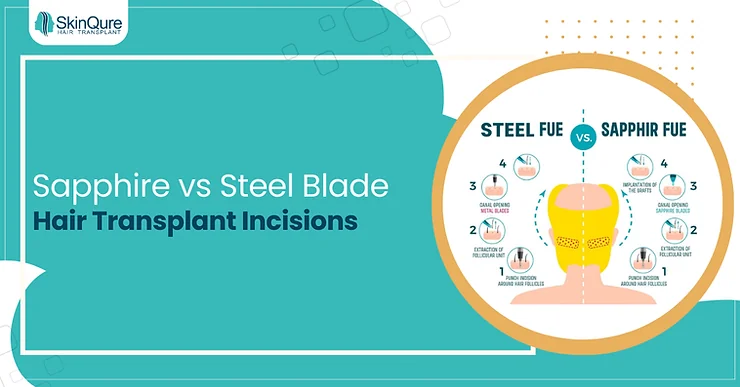
Sapphire hair transplant and steel blade incisions are two common methods used in hair transplant surgery. Both methods are designed to implant hair grafts in the scalp in a natural process. Sapphire hair transplant involves the use of special blades made of sapphire gemstones. Steel blade incisions involve the use of conventional metal blades. Many patients and surgeons have been wondering which of the two methods is better.
This blog post will help you understand both the advanced hair transplant techniques and make an informed decision.
Hair loss in an individual can either be temporary or permanent. It affects the entire body as well as your scalp. It is caused due to numerous reasons like hormonal fluctuations, genetics, illnesses, or a typical aspect of aging. Although anybody can experience hair loss, men are more likely to do so.
Hair transplant surgery is one of the most effective methods for hair restoration and enhancing one’s looks. There are two types of advanced hair transplant techniques available including Sapphire blades and steel blades. At SkinQure, a hair transplant clinic in Delhi, Dr Jangid helps patients choose the best advanced hair transplant techniques.
How does sapphire hair transplant work?
A “Sapphire hair transplant” is the device used for making minute cuts on the scalp. Instead of metal, the cutting edge is made of a sapphire gemstone.
Sapphire is extremely smooth and sharp. It creates thin cuts on the scalp. These cuts are where the hair grafts are implanted.
Here is how Sapphire hair transplant works:
1. Donor area harvesting
The grafts for hair transplants are extracted from the back or side of the head. This region normally has thick hair.
2. Creating recipient sites
The surgeon uses sapphire blades for developing micro-channels in the scalp. The micro-channels are directed by the surgeon to guide the growth of new hairs.
3. Graft placement
These very small holes are where the hair grafts are inserted, one by one.
4. Healing
Since the incisions are small and accurate, the healing process of the scalp is faster. There is minimal bleeding and swelling.
The primary benefit of Sapphire hair transplant is precision and tidiness. The blades are very smooth and precise in angles, which helps to position the hair in a natural manner. The gemstone is also long-lasting in terms of sharpness, which ensures that the cuts are of good quality.
How does steel blade incisions work?
In conventional hair transplants, surgeons use steel blade tools. The steel blades are made up of surgical stainless steel. The tools have been in use for a long time and have been successful in hair transplant surgery.
Here is how steel blade incisions works:
1. Donor area harvesting
The hair grafts are taken from a thick hair area.
2. Creating recipient sites
The surgeon employs steel blades to make small cuts in the scalp.
3. Graft placement
The hair grafts are placed in these steel-blade incisions.
4. Healing
The cuts are closed by the body over time. The healing process may differ depending on the size and depth of the cuts.
Steel blades are dependable and well-known to surgeons. They provide clean cuts and are suitable for most patterns of hair loss. Surgeons understand how steel cuts heal and can easily adjust angles and depth.
Sapphire vs Steel Blade
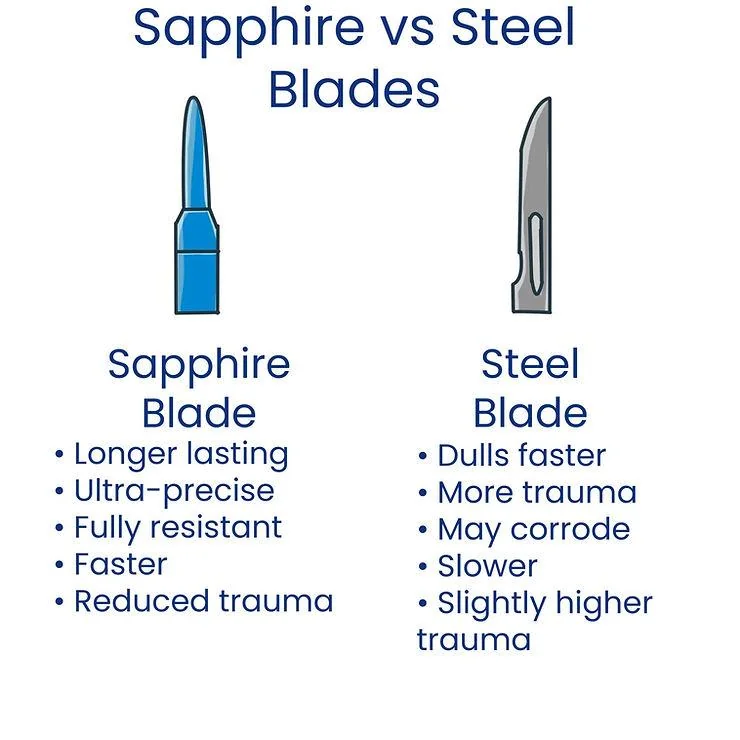
Heres how Sapphire hair transplant differ from steel blade incisions:
| Sapphire Hair Transplant | Steel Blade Incisions |
|---|---|
| Sapphire gemstone | Surgical steel |
| Very sharp and smooth | Sharp, but can dull faster |
| High precision cuts | Good precision, but depends on surgeon |
| Less bleeding | May have slightly more bleeding |
| Slightly higher | Standard cost |
Which method of hair transplant is more appropriate?
Both methods help patients get natural hair growth. However, which procedure to choose depends on your objectives, your scalp, and your surgeon’s experience?
Sapphire blade is suitable for patient when he/she prefers:
- Faster healing and reduced redness
- Natural hair patterns
- Smaller and more precise incisions
- Pay a slightly higher price
Choose Steel Blade when he/she prefer:
- Comfortable with a trusted traditional method
- Look for cheapest hair transplant
- Surgeons have excellent skill with steel incisions.
- Do not have sensitive skin problems.
At SkinQure, we emphasize personalized care. We assess your hair pattern, skin type, and donor area strength before recommending a method.
Conclusion
Both sapphire blades hair transplant and steel blade incision are efficient for hair transplantation. Sapphire blades are more precise, give smooth cuts, and heal faster. Steel blades are proven, trusted, and most commonly used.
The end result is more dependent on the skill and care of the surgeon than on the material of the blade. Selecting the right place and the right people to do the job is as important as selecting the incision tool. If you are ever looking for hair transplantation, consult our experts at SkinQure for a bett
er decision.
FAQs
Is a Sapphire hair transplant painful?
No. Both sapphire blade and steel blade techniques are done using local anesthesia. Patients do not feel any pain during a sapphire blades hair transplant.
Does Sapphire hair transplant heal faster than steel blade incisions?
Yes. This is because many patients heal faster with sapphire blades hair transplant because of the fine and smooth cuts.
Will I see scars after sapphire blades hair transplant?
All cuts will leave a scar. However, Sapphire hair transplant will leave finer scars, whereas steel blade scars may be slightly noticeable depending on healing.
Can anyone get a Sapphire hair transplant?
Yes. Most healthy adults can. A consultation is required to check donor strength and hair loss patterns.
Is hair growth influenced by blade type?
No. the type of blade used is only helpful in graft placement and healing. However, the surgeon's expertise and post-operative care are much greater influences in the success of hair growth.
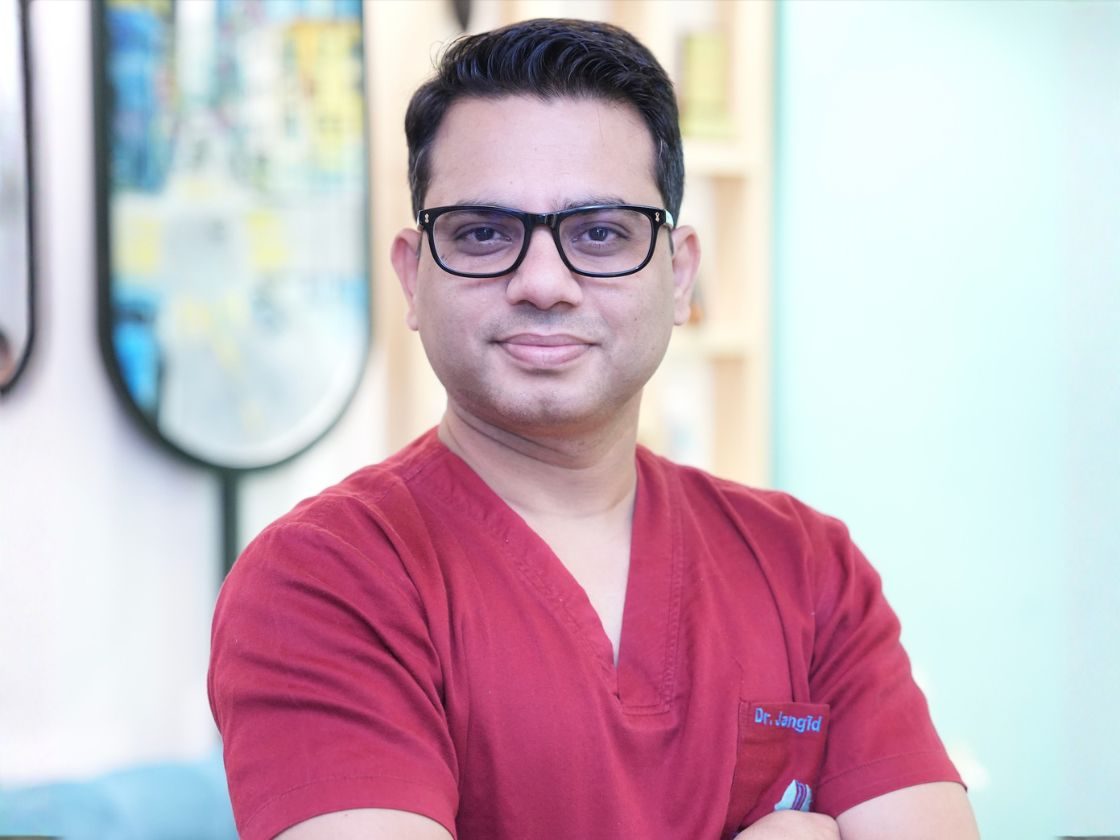
Dr. Jangid
Senior Dermatologist & Hair Transplant Surgeon, Ex-Senior Resident at AIIMS, with 18+ years of experience and the originator of the EnRiched-FUE™ approach.
Dr. Jangid, MD - Dermatology, Venereology & Leprosy, MBBS
Registered medical practitioner: Rajasthan Medical Council 025648 · Delhi Medical Council 40715 · Medical Council of India MCI-IMR/09/163