Why Is My Hair Falling Out? 9 Causes & Solutions
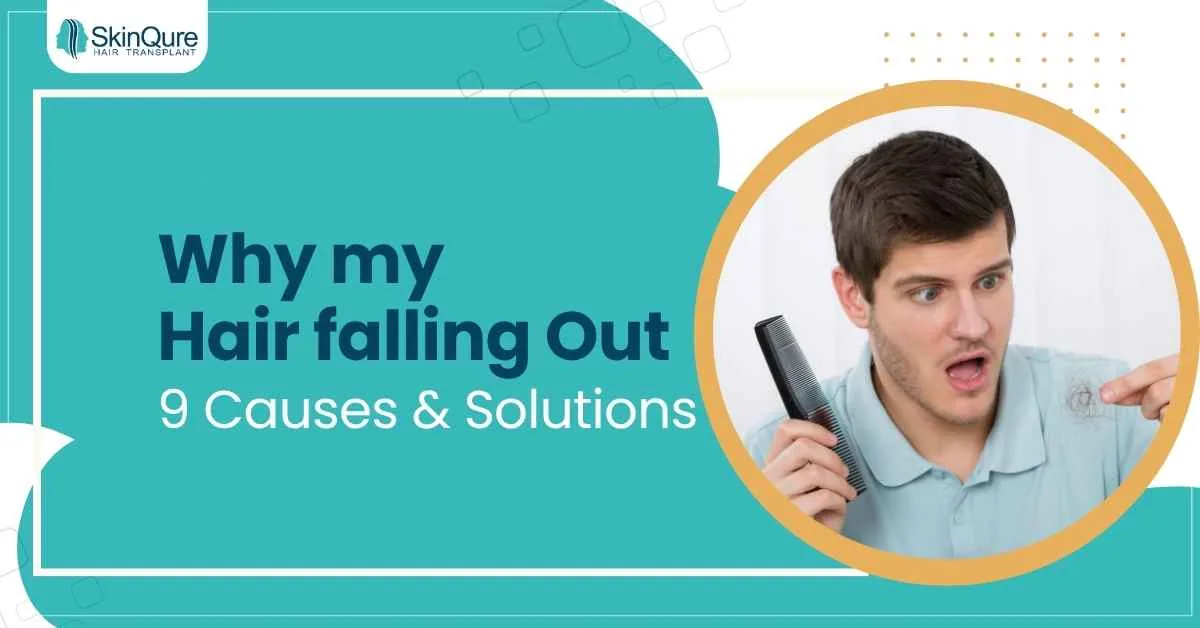
Hair fall is one of the most common problems, and it affects people of every age and gender. If you are finding hair strands on your pillow, brush or bathroom drain, you may be asking yourself, "Why is my hair falling out?" Shedding 50 to 100 strands a day is normal, but losing more than that may point to an underlying problem.
Quick answer: The most common reasons for sudden hair fall in India are nutrient deficiency, stress, hormonal imbalance (such as thyroid problems or PCOS), pollution, harsh chemical and heat styling, scalp infections, genetics, and some medical conditions or medicines. Most of these can be managed once the cause is identified. If hair fall continues for several weeks or is very rapid, see a dermatologist.
In India, changes in lifestyle, stress, pollution and diet are common reasons for sudden hair loss. Finding the cause of your hair fall is important, because the right treatment depends on the root cause.
This blog explains the main causes of sudden hair fall in India, practical solutions, and how SkinQure treats excessive hair shedding.
9 Causes of Sudden Hair Fall in India
1. Nutrient Deficiency
Not getting enough protein, vitamins and minerals weakens the hair follicles. Poor diets in today's fast-paced life are among the most common reasons for hair fall. Iron deficiency is a frequent cause, especially in women.
2. Stress and Anxiety
High stress disturbs the hair growth cycle and pushes hair follicles into the shedding phase.
3. Hormonal Imbalances
PCOS, thyroid problems and hormonal changes after pregnancy can disrupt the hair growth cycle and cause hair loss.
4. Air and Environmental Pollution
Pollution damages the hair shaft, weakens the roots and causes breakage. Pollutants that settle on the scalp can also cause irritation and hair fall.
5. Overuse of Chemical Hair Products
Harsh chemicals in some shampoos, hair colours and styling products can damage hair, make it brittle and lead to excessive hair fall.
6. Heat Straightening and Curling
Heat styling tools dry out the hair and weaken its structure, which leads to breakage.
7. Scalp Infections
Dandruff, fungal infections and poor scalp hygiene can block the follicles and lead to hair loss and thinning over time.
8. Genetics
Genetic hair loss is also called pattern hair loss. It gradually reduces hair density. In men it appears as male pattern baldness, and in women as female pattern hair loss.
9. Medical Conditions and Medicines
Some medical conditions and medicines, especially those used for long-term illnesses, can disturb the hair growth cycle and cause hair loss.
Causes and Solutions at a Glance
| Cause | What helps |
|---|---|
| Nutrient deficiency | Balanced diet with protein, iron and vitamins; supplements if a doctor prescribes them |
| Stress and anxiety | Yoga, meditation, exercise and good sleep |
| Hormonal imbalance (thyroid, PCOS, after pregnancy) | Medical diagnosis and treatment of the hormonal condition |
| Pollution | Regular gentle cleansing of the scalp |
| Chemical hair products | Mild, sulphate-free shampoos; fewer chemical treatments |
| Heat styling | Less frequent use of heat tools; air-drying |
| Scalp infections and dandruff | Anti-dandruff or antifungal treatment |
| Genetics (pattern hair loss) | Doctor-prescribed medication, PRP or GFC therapy; hair transplant in advanced cases |
| Medical conditions and medicines | Review by your doctor |
Hair Fall Solutions
1. Eat a Balanced Diet
Eat a balanced diet with enough protein, iron and vitamins. Good nutrition plays an important role in keeping hair follicles healthy. Read more about biotin for hair growth.
2. Manage Stress
Yoga, meditation and regular physical activity help manage hair fall caused by stress.
3. Keep Your Scalp Clean
Follow good scalp hygiene and keep your scalp clean and hydrated, free of dirt and dust.
4. Use a Mild Shampoo
Use mild shampoos and avoid products that contain sulphates and other harsh ingredients.
5. Minimise Heat Damage
Use heat styling tools less often, and let your hair dry naturally instead of using a hairdryer.
6. Oil Massage
Massaging the scalp with oil improves blood flow and helps nourish the hair roots.
7. Treat Underlying Health Issues
If your hair fall is caused by a medical or hormonal condition, consult a doctor to treat the underlying problem.
8. Stay Hydrated
Drinking enough water keeps your scalp and hair healthy and helps prevent breakage and brittleness.
9. Get Professional Treatment
Professional treatments such as PRP therapy can help with long-term hair loss. Dr. Jangid advises that early treatment improves the chances of hair recovery.
Excessive Hair Shedding: Reasons and Treatment
1. Telogen Effluvium
Telogen effluvium is temporary hair loss caused by illness or stress. It can usually be reversed with better nutrition, regular sleep and medical treatment that helps restore the hair cycle.
2. Hormonal Imbalance
Medication or lifestyle measures that balance hormones reduce hair fall caused by conditions such as thyroid disorders or PCOS.
3. Anti-Dandruff Medication
Anti-dandruff medication treats dandruff and other scalp infections that cause hair fall.
4. Platelet-Rich Plasma (PRP) Treatment
In PRP treatment, the doctor injects platelet-rich plasma prepared from your own blood into the scalp to stimulate hair growth. GFC therapy is a related option.
5. Hair Vitamins
Prescribed hair vitamins supply the minerals and nutrients needed for hair growth and help reduce hair fall.
6. Laser Hair Therapy
Low-intensity laser light improves blood circulation in the scalp and can support hair growth.
7. Personalised Hair Care Plan
A scalp examination before treatment helps the doctor create a plan to manage your hair fall.
8. Lifestyle Changes
Healthy sleep, a good diet and other lifestyle changes reduce the internal factors that cause hair loss.
9. Dermatological Treatment
Dr. Jangid recommends appropriate medical care combined with healthy hair practices to manage hair loss. See all hair loss treatments at SkinQure.
Why Visit SkinQure for Hair Fall Treatment?
SkinQure Hair Transplant Clinic in Delhi offers a range of treatment options for hair fall. The cause of the problem is identified first, and treatment is planned accordingly.
Knowing the cause is essential for treating hair fall. SkinQure uses modern technology and specialist consultation to plan each patient's hair restoration.
Whether you have sudden hair loss or ongoing thinning, you receive a complete hair fall treatment plan aimed at supporting healthy hair growth.
Conclusion
Hair loss can feel stressful, but there are several ways to deal with it. Understanding why your hair is falling out helps you act early and avoid further damage. Sudden hair fall in India is often linked to lifestyle, stress and the environment, so changing your habits and taking care of yourself matters. Excessive hair shedding can be treated.
At SkinQure in Delhi, Dr. Jangid and the team provide hair restoration services with modern treatments and professional consultation. Request a consultation to have the cause of your hair fall assessed.
FAQs
1. Why am I suddenly having hair fall?
Sudden hair fall can be caused by stress, deficiency of vital nutrients, hormonal problems, illness and several other factors. A dermatologist can identify the exact cause.
2. What are the causes of sudden hair fall in India?
The common causes of sudden hair fall in India include poor diet, stress, pollution, and frequent use of heat styling tools and hair dryers.
3. How can I prevent hair fall naturally?
Eating a balanced diet, managing stress, staying hydrated and using mild hair products all help reduce hair loss.
4. Which treatments help control hair loss?
PRP treatment, prescribed vitamins and proper scalp care are some of the ways to control hair loss.
5. When should I see a doctor for hair fall?
See a doctor if hair loss continues for several weeks, happens rapidly, leaves bald patches, or comes with an itchy scalp.

Dr. Jangid
Senior Dermatologist & Hair Transplant Surgeon, Ex-Senior Resident at AIIMS, with 18+ years of experience and the originator of the EnRiched-FUE™ approach.
Dr. Jangid, MD - Dermatology, Venereology & Leprosy, MBBS
Registered medical practitioner: Rajasthan Medical Council 025648 · Delhi Medical Council 40715 · Medical Council of India MCI-IMR/09/163