Hair Transplant Side Effects and How to Avoid Them
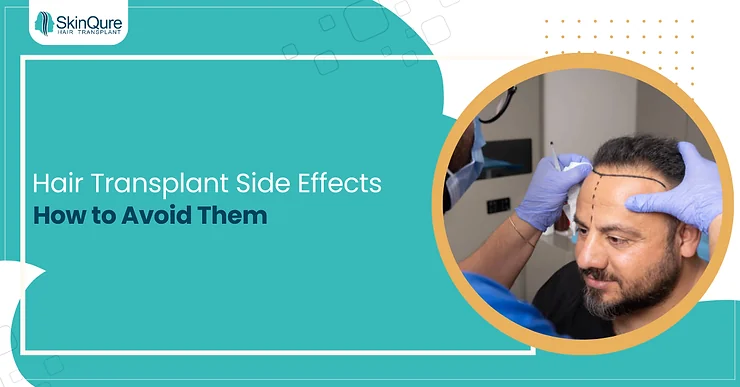
Hair transplant is a widely used treatment for hair loss. Many individuals opt for hair transplant surgery looking for a permanent solution with a natural look. Like any other surgical procedure, hair transplant poses risks. A patient can feel thankful by being aware of the possible complications, hazards of hair transplant, and ways to overcome them with ease.
This blog explores details about the hair transplant complications, and how to overcome it.
Hair loss impacts confidence. A hair transplant is a permanent hair restoration alternative. A hair transplant has experienced changes due to advancements in technology. However, there is a chance to get hair transplant side effects. No need to worry because even if a patient suffers with side effects, it does not last long.
Different hair transplant side effects
1. Pain and Discomfort
Mild pain is also common after the hair transplant procedure. This is normally observed in the donor area as well as in the transplanted region. Pain is more evident in the early days. Taking the right medication can manage the pain. This is expected to fade away once the healing process commences.
2. Swelling of Scalp & Face
Swelling may occur around the forehead or the area around the eyes. This is a result of fluid displacement after the surgery. This is a short-term effect of the hair transplant surgery. Swelling can be allowed to pass once the patient rests adequately and takes medication.
3. Redness of the Scalp
Redness is a common reaction of the skin after graft implantation. It is more noticeable in people with sensitive skin. This is just a complication associated with hair transplants, which will fade away. Taking good care of the scalp can aid in accelerating this process.
4. Itching and Dryness
Itch can be present as the skin heals around the time of the transplant operation. Dry skin and the formation of a scab can be irritating to the skin and make the itch worse. Itching should be avoided. Careful washing and moisturizing sprays will be used to
5. Shock Loss
Shock Loss refers to temporary shedding of hair following a hair transplant. The grafted as well as native hairs can fall out. Patients can be alarmed by this aspect, but this represents a natural risk involved in a hair transplant. The hairs grow back in a few months.
6. Infection
Infection is uncommon, but infection can occur if cleanliness is not practiced. Symptoms will be redness, pain, or draining. Early intervention will prevent problems. Selecting a clean and clean procedure will reduce the risk.
7. Scarring
There may also be a slight scarring effect on the donor site. But with modern techniques, scarring can easily be camouflaged. SkinQure adopts the most modern techniques to ensure lesser scarring effects.
8. Poor hair growth
In some instances, hair growth can be irregular or less than expected. The reasons can be improper handling of grafts or underlying health conditions of patients. Even this hair transplant side effect can be treated.
How to avoid hair transplant complications?
Avoiding hair transplant risks starts with the right planning. SkinQure emphasizes effective methods for safest process planning. A thorough consultation is helpful for analysis of scalp condition and balding areas.
Following the pre-operative care advice is crucial. Patients are supposed to stop smoking and drinking before the procedure.
Aftercare is considered to be an important factor in recovery procedure. Patients are advised to follow instructions concerning washing the hair.
It is important to take medications on time. The patient should avoid touching or scratching the scalp unnecessarily. Doctors recommend sleeping in an elevated position to avoid swelling.
Post hair transplantation helps in early recovery, and quick healing. If redness, and itching last long, don’t hesitate to consult with your nearest doctor.
Conclusion
Hair transplantation in Delhi is a very safe and successful way to treat severe to moderate hair loss. Of course, hair transplant side effects can be temporary. A patient needs to be prepared if they understand possible hair transplant side effects. With good care, most side effects can be prevented. SkinQure provides advanced treatment options, medical expertise, FDA approved technique, and natural-looking hair transplant.
FAQs
Do hair transplant side effects last long?
No. The hair transplant side effects do not last long. Mild swelling, redness, aur itching comes after transplantation which fades of its own
Do hair transplant complications affect his success rate?
There are no such hair transplant complications. However, temporary problems like swelling or redness may occur which disappear on their own.
What are the possible hair transplant risks?
The possible hair transplant risk includes infection, scarring, and shock loss. But if the transplantation is properly taken care of then there is no chance of any hair transplant side effects.
How long does hair transplant take to heal?
The initial healing after hair transplantation takes about 7 to 10 days. However, full hair growth takes 8-10 months.
What is the best way to avoid hair transplant side effects?
The best way to avoid hair transplant side effects is by keeping your scalp clean and hydrated. Spray saline water to keep your scalp moisturised and avoid rubbing or scratching your scalp often.

Dr. Jangid
Senior Dermatologist & Hair Transplant Surgeon, Ex-Senior Resident at AIIMS, with 18+ years of experience and the originator of the EnRiched-FUE™ approach.
Dr. Jangid, MD - Dermatology, Venereology & Leprosy, MBBS
Registered medical practitioner: Rajasthan Medical Council 025648 · Delhi Medical Council 40715 · Medical Council of India MCI-IMR/09/163