Itching After Hair Transplant: Why It Occurs & How to Get Rid of It
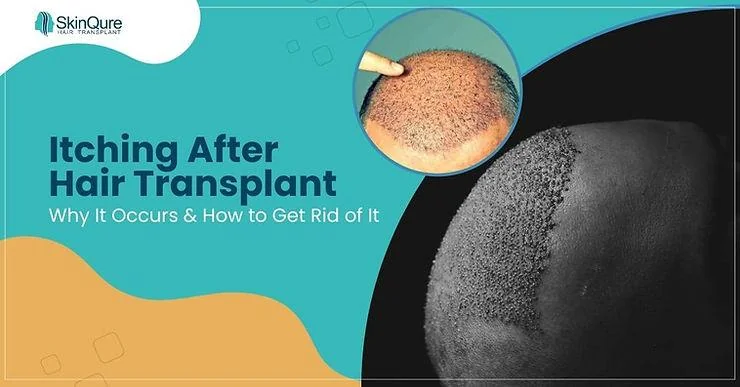
If you have recently gone through a hair transplant surgery, you might be aware of this problem of itching after hair transplant! A hair transplant can change a man’s life, make him a confident person and help him get a new young look. Nevertheless, several patients develop itching after hair transplant, a situation that could be painful to the patient. Knowing why this is so and how to prevent it is important for a good recovery process. In this blog, we shall discuss the origin of itching after hair transplantation, its control, and need to seek help from a trichologist. Read more for a detailed view!
What is Hair Transplant Surgery?
Follicular transplantation is a surgical process of moving hair follicles from one part of the head, usually the back of the scalp, to another part of the head that may be balding. There are primarily two techniques used:
Follicular Unit Extraction (FUE):
Follicular units containing one to four hairs are harvested and then grafted, with scarcely visible scar tissues.
Follicular Unit Transplantation (FUT):
Small portion of the scalp is shaved off and the hair follicles are then extracted from it.
Both can give natural-looking results, but aftercare should be followed to ensure that the skin heals as intended and with minimal problems.
Why Itching Occurs After Hair Transplant
Experiencing itching after hair transplant is a common issue among patients. Several factors contribute to this sensation:
1. Healing Process
After a hair transplant, the scalp goes through a healing phase. The tiny incisions made during the procedure can lead to inflammation and irritation, resulting in itchiness as the skin heals.
2. Dry Scalp
The scalp may become dry and flaky post-surgery, especially if the patient is not moisturizing adequately. Dryness can trigger itching, making it essential to maintain hydration.
3. Inflammatory Response
The body’s natural inflammatory response to surgery can also cause itching. This response is a part of the healing process but can be uncomfortable.
4. Allergic Reactions
In some cases, patients may develop an allergic reaction to medications, topical treatments, or even shampoos used during the recovery process. This can manifest as localized itching and redness.
5. Infection
While rare, infections can occur after hair transplant surgery. Symptoms may include severe itching, redness, swelling, and discharge from the transplant sites. Immediate medical attention is necessary if an infection is suspected.
How to Alleviate Itching After Hair Transplant?
Managing itching after hair transplant involves several strategies to promote comfort and healing:
1. Follow Post-Operative Care Instructions
Your surgeon will provide specific instructions for post-operative care. Adhering to these guidelines can significantly reduce discomfort and promote healing.
2. Moisturize the Scalp
Using a gentle, non-irritating moisturizer can help alleviate dryness. Look for products that are specifically formulated for post-hair transplant care, as they are often free of harsh chemicals.
3. Avoid Scratching
Although it can be tempting, scratching the scalp can damage newly transplanted hair follicles and lead to complications. Keeping your hands away from the scalp is essential for recovery.
4. Use Cold Compresses
Applying a cold compress to the affected areas can provide temporary relief from itching. Be sure to wrap the compress in a cloth to protect your scalp.
5. Anti-Inflammatory Medications
Over-the-counter anti-inflammatory medications, such as ibuprofen, can help reduce swelling and discomfort. However, always consult your doctor before taking any medication post-surgery.
6. Consult Your Hair Doctor
If itching persists or worsens, consult a qualified hair doctor in Delhi. They can evaluate your condition, determine if an allergic reaction or infection is present, and recommend appropriate treatments.
When to Seek Medical Attention?
While mild itching is often normal after a hair transplant, you should seek medical attention if you experience:
- Severe itching that doesn’t improve.
- Redness, swelling, or pus around the transplant sites.
- Fever or chills, indicating a possible infection.
Early intervention can help prevent complications and ensure a successful recovery.
The Importance of Professional Guidance
Choosing a reputable clinic for your hair transplant is crucial for minimizing complications like itching. If you're considering hair transplant in Delhi, it’s essential to find experienced professionals who prioritize post-operative care.
A skilled hair doctor in Delhi can help you understand what to expect after surgery and how to manage any discomfort effectively. Their expertise will ensure you receive comprehensive care throughout your recovery journey.
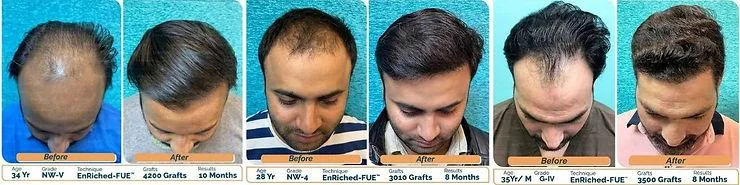
Explore our Hair Transpalnt Results
Conclusion
Itching after a hair transplant is a common issue that many patients face, but understanding its causes and implementing effective management strategies can lead to a more comfortable recovery. By following post-operative care instructions, moisturizing the scalp, and consulting a qualified hair doctor in Delhi if necessary, you can minimize discomfort and promote healing.
If you are thinking about a hair transplant then it is better to consult Dr. Jangid and the team of Skin Qure. Due to their devotion to patient care, you can get the highest outcomes while protecting the healing process. Do not allow the itch to hinder the growth of fuller hair, contact us today!

Dr. Jangid
Senior Dermatologist & Hair Transplant Surgeon, Ex-Senior Resident at AIIMS, with 18+ years of experience and the originator of the EnRiched-FUE™ approach.
Dr. Jangid, MD - Dermatology, Venereology & Leprosy, MBBS
Registered medical practitioner: Rajasthan Medical Council 025648 · Delhi Medical Council 40715 · Medical Council of India MCI-IMR/09/163