Hair Transplant Candidacy: Are You Eligible?
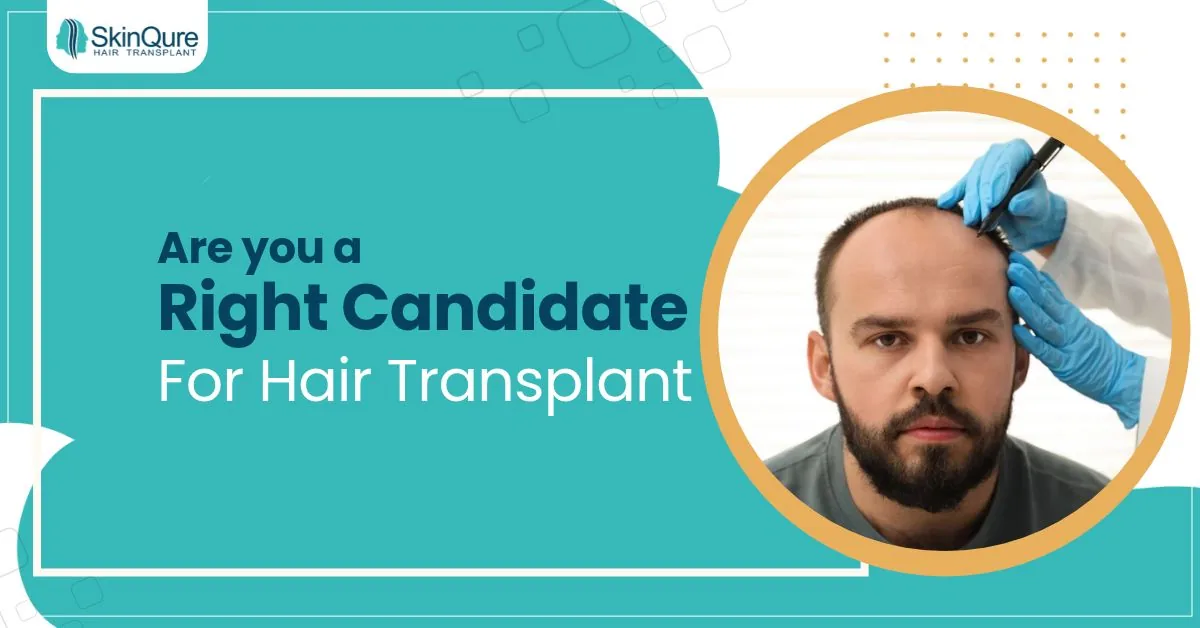
Hair loss can affect self-confidence and self-esteem because of the way it changes one's appearance. Many people try oils, medications, vitamins and home remedies, but these do not always give satisfactory results. Hair transplantation is one way to restore hair and improve density. However, not everyone with hair loss is suitable for the procedure.
Quick answer: You are usually a suitable candidate for a hair transplant if your hair loss has stabilised, you have enough healthy donor hair at the back and sides of the scalp, your scalp and general health are good, and your expectations are realistic. People with active, still-progressing hair loss, too little donor hair or uncontrolled medical conditions may need treatment first, or may not be suitable. A doctor's evaluation confirms eligibility.
Understanding hair transplant candidacy starts with finding the root cause of the hair fall. The cause of hair loss, age, scalp health and healthy donor hair together decide whether a person is eligible for a hair transplant.
What Is a Hair Transplant?
A hair transplant is a cosmetic surgical procedure in which hair follicles are moved from one area of the scalp (the donor area) to another area where hair has been lost. Follicles from the donor area stay healthy and continue to grow in the recipient area.
Modern techniques such as FUE hair transplant aim for natural-looking results. The plan takes into account the hair loss pattern, the condition of the scalp and each person's preferences.
Who Makes an Ideal Hair Transplant Candidate?
Several factors are considered when deciding whether someone is eligible for hair transplant surgery, and a full evaluation is needed before the procedure. Candidates are assessed on:
- Extent of hair loss
- Pattern of baldness
- Donor hair availability
- Age and overall health
- Scalp condition
- Expectations from the procedure
A detailed consultation helps determine whether the patient meets the requirements for transplantation.
Who Is Eligible for a Hair Transplant?
One of the first questions many people ask is, "Who is eligible for hair transplant surgery?" In general, people with stable hair loss and enough donor hair are suitable candidates. They include:
1. People with Pattern Baldness
Pattern baldness is one of the most common reasons people choose hair transplant surgery. It follows a predictable pattern of hair loss and usually leaves a stable donor area, which makes transplantation suitable.
2. People with a Receding Hairline
A receding hairline can make a person look older than their age. For patients whose hairline recession has stabilised and who have enough donor hair, a hair transplant for a receding hairline can help.
3. People with Hair Loss from Injuries or Scars
Hair transplantation can be used where hair has been lost because of burns, injuries or surgery that left scars. Read more about hair transplants on scars.
4. People with Hair Thinning
People with thinning hair, rather than complete hair loss, can also be candidates if they have enough donor hair.
Factors That Decide Hair Transplant Eligibility
Age
There is no exact age limit for a hair transplant, but doctors usually advise waiting until the hair loss pattern has stabilised. Younger patients with fast hair loss may need further assessment before the procedure. See the right age for a hair transplant.
Availability of Donor Hair
The outcome of a hair transplant depends largely on the quality and amount of donor hair. Healthy follicles are taken from the back and sides of the scalp, which are less prone to hair loss. Learn about the role of the donor area.
Type of Hair Loss
Some types of hair loss are not suitable for transplantation. In most cases, pattern baldness responds better to transplantation than other conditions.
Condition of the Scalp
A healthy scalp is needed for the transplanted follicles to grow. Infections or other scalp problems should be treated before hair transplant surgery.
Overall Health
Along with a healthy scalp, the patient's overall health determines whether they can safely undergo hair transplant surgery.
Who Is Not Eligible for a Hair Transplant?
Although many people are eligible, some may not be suitable candidates, or may need to wait before treatment.
Not Enough Donor Hair
People with extensive baldness and too little donor hair may not get the result they want from transplantation alone.
Poorly Controlled Medical Conditions
Some medical conditions can affect healing and need to be brought under control before the procedure.
Active Hair Loss
Some hair loss disorders keep progressing. Transplanting hair while the condition is still active is unlikely to work well.
Unrealistic Expectations
People with unrealistic expectations may not be satisfied with the result of the procedure.
Eligibility at a Glance
| Usually a suitable candidate | May need treatment first or may not be suitable |
|---|---|
| Stable pattern baldness or receding hairline | Active, still-progressing hair loss |
| Enough healthy donor hair at the back and sides | Too little donor hair for the area to be covered |
| Healthy scalp | Scalp infection or untreated scalp condition |
| Good general health | Poorly controlled medical conditions |
| Realistic expectations | Unrealistic expectations of the result |
Hair Transplant Requirements in Delhi
People researching hair transplant requirements in Delhi often want to know what preparation is needed before treatment. Common requirements include:
- Detailed medical evaluation
- Assessment of the hair loss pattern
- Donor area examination
- Review of medical history
- Scalp analysis
- Discussion of treatment goals
- Pre-procedure instructions from the doctor
SkinQure Hair Transplant Clinic in Delhi offers hair restoration facilities and professional consultation, which is the first step in deciding eligibility. Read what to expect at a hair consultation.
Benefits of a Professional Evaluation
Every case of hair loss is different. Two people with similar baldness may be treated very differently, depending on the quality of their donor hair and the likelihood of future hair loss. A professional evaluation helps to:
- Identify the cause of hair loss
- Determine suitability for transplantation
- Estimate the number of grafts needed (you can get a first idea with our graft calculator)
- Create a personalised treatment plan
- Set realistic expectations
This evaluation helps make the procedure safe and well planned.
Conclusion
Many people have regained their confidence after a hair transplant, but a good outcome starts with checking hair transplant eligibility. Age, donor hair quality, scalp condition and the actual cause of hair loss all help decide hair transplant candidacy.
Wondering whether you qualify for a hair transplant? The answer comes from a medical evaluation. Knowing the hair transplant requirements in Delhi helps you make better decisions. At SkinQure, Dr. Jangid assesses your scalp, donor area and hair loss pattern to find out whether a hair transplant is right for you. For a checklist approach, also read how to know if you are the right person for a hair transplant. Request a consultation to have your eligibility assessed.
FAQs
1. Who is eligible for hair transplant treatment?
Patients with stable hair loss, good-quality donor hair and realistic expectations are usually eligible for the procedure.
2. What are the main hair transplant requirements in Delhi?
The main hair transplant requirements in Delhi include the quality of donor hair, the condition of the scalp, the patient's medical history, the degree of hair loss and the goals of treatment.
3. Are women eligible for a hair transplant?
Yes. Women with pattern hair loss and enough donor hair can have a hair transplant after a thorough evaluation. Read more about female hair transplant.
4. Does age affect who is eligible for a hair transplant?
Yes. Age is an important factor in planning a hair transplant, because it helps the doctor judge whether the hair loss pattern has stabilised.
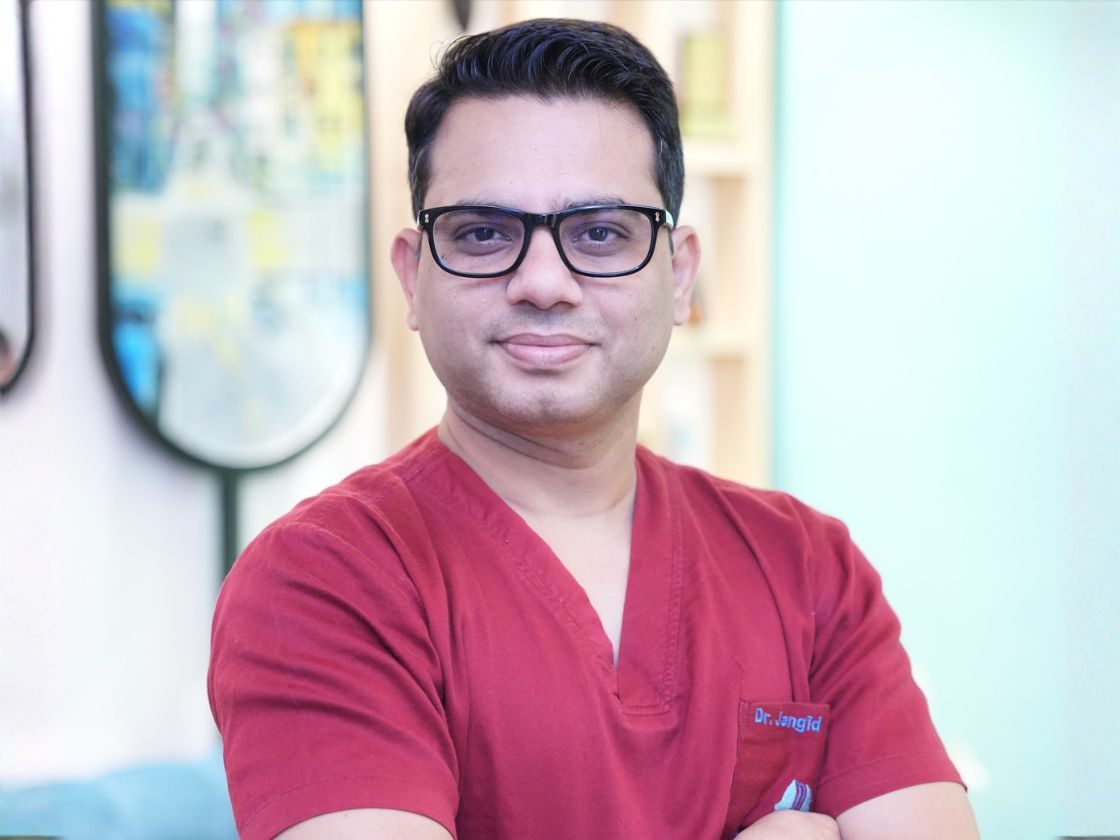
Dr. Jangid
Senior Dermatologist & Hair Transplant Surgeon, Ex-Senior Resident at AIIMS, with 18+ years of experience and the originator of the EnRiched-FUE™ approach.
Dr. Jangid, MD - Dermatology, Venereology & Leprosy, MBBS
Registered medical practitioner: Rajasthan Medical Council 025648 · Delhi Medical Council 40715 · Medical Council of India MCI-IMR/09/163